
Table Of Content
By Nasir Gill
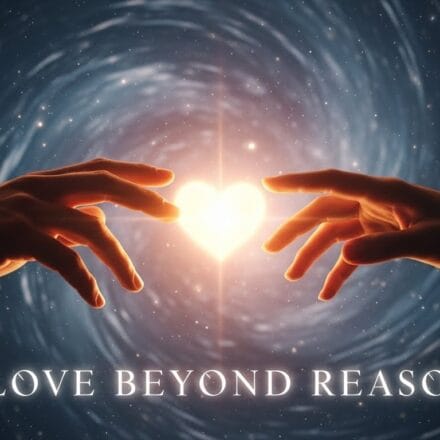
The Heart Speaks Before the Mind
Pause for a second.
Before your name.
Before your history.
Before the version of you the world recognizes.
What does it feel like to be you?
Not the thoughts racing in your head—but the quiet certainty in your chest.
The pull toward someone you can’t explain.
The ache that arrives before logic.
The courage that rises when thinking would fail you.
Why does love strike without permission?
Why do certain faces feel familiar, certain songs feel personal, certain moments feel meant?
Why do you know things long before you can prove them?
These aren’t random emotions.
They’re signals from the deepest layer of human existence—the first-person world where meaning is born.
Science can map the brain.
Philosophy can define the self.
Religion can speak of the soul.
But none of them, alone, can explain why life is felt—not just understood.
For thousands of years, humans didn’t say, “Trust your thoughts.”
They said something else.
Trust your heart.
Modern science tells us consciousness lives in the brain. Neurons fire, chemicals flow, decisions happen. Fair enough. But here’s the problem: no brain scan explains why heartbreak hurts or why love feels heavier than gravity. You can measure activity—but not experience.
That gap matters.
Ancient Wisdom and the Heart Across Cultures
Across civilizations, humans didn’t place love, courage, faith, or sincerity in the brain. They placed them in the heart. Pure heart. Broken heart. Hard heart. Open heart. Nobody ever said “broken brain” after losing someone.
Ancient philosophers noticed this long before MRIs existed. Aristotle believed the heart ruled human life. Plato placed powerful emotions in the chest. Roman culture carved heart symbols centuries before social media turned them into emojis.
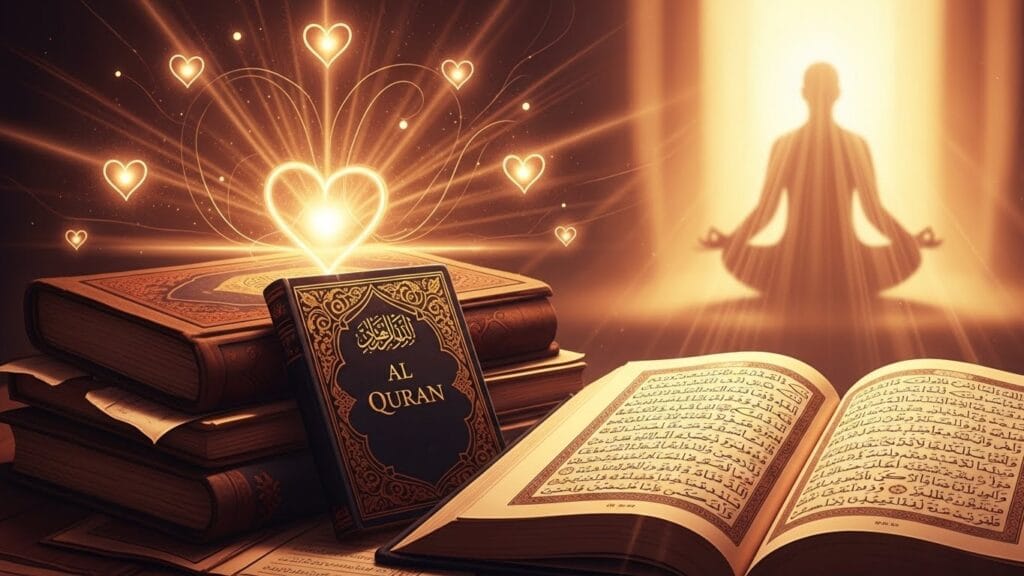
Religion went even further.
The Qur’an says understanding lives in the heart, not the eyes.
The Bible says life flows from the heart.
The Bhagavad Gita places the soul itself in the heart.
Buddhism’s core wisdom text is literally called The Heart Sutra.
Different traditions. Same intuition.
And now science is catching up.
Modern Science and the Heart’s Hidden Intelligence
The heart has its own nervous system—about 40,000 neurons. It sends more information to the brain than it receives. It influences emotion, focus, decision-making, and creativity. It releases oxytocin—the bonding hormone. Its electromagnetic field is stronger than the brain’s.
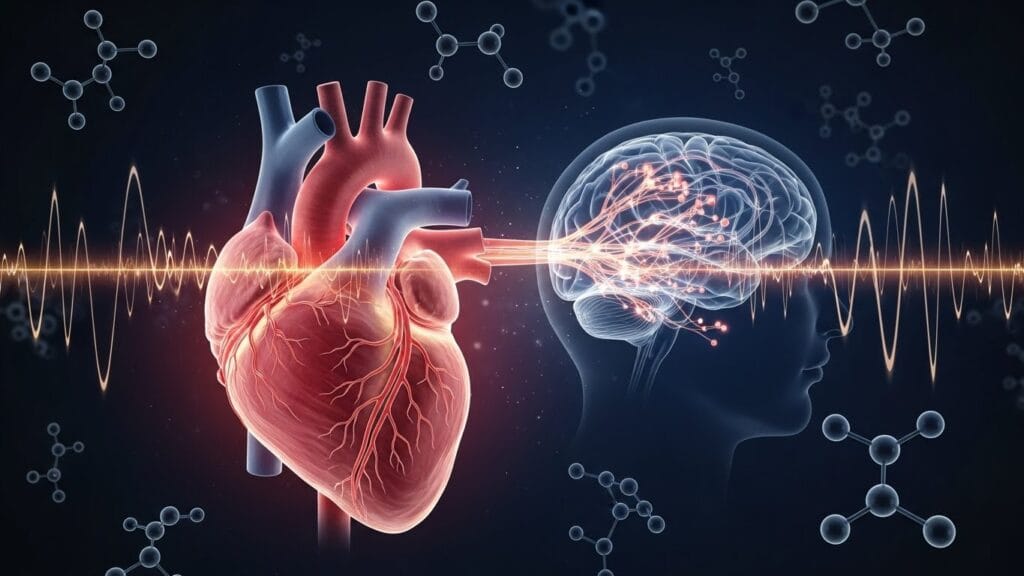
Some studies even suggest the heart responds to meaningful events before conscious awareness kicks in.
Read that again.
Before.
This isn’t mystical fantasy. It’s inconvenient data.
Integrating Mind and Heart: Intuidom Perspective
This is where Intuidom fits in.
Your mind calculates, reacts, plans, scrolls.
Your heart listens, aligns, knows.
The ego lives in clock time—deadlines, anxiety, performance.
The heart lives in lived time—presence, meaning, flow.
Iqbal called this intuitive self the engine of growth.
Jung believed, wholeness begins when the heart integrates what the mind avoids.
Nietzsche knew passion creates reality before reason explains it.
Bergson showed real time is felt, not measured.
Rumi said it best: the intellect is the shore—the heart is the ocean.
Gen Z already understands this.
You read vibes.
You sense authenticity.
You feel when something’s off—even if you can’t explain why.
That’s not weakness.
That’s intelligence the system forgot how to measure.
Modern science still insists the heart is just a pump.
That meaning is just an illusion.
That intuition is only coincidence.
That the self lives only in neural code.
But how long can that story survive—
when love outruns logic,
when courage beats calculation,
when truth arrives as a feeling before a thought?
We are not machines that sometimes feel.
We are beings who feel first—and think afterward.
Until knowledge from the outside learns to meet knowledge from within,
reason will remain incomplete,
intuition misunderstood,
and the self divided.
Integrating Heart and Mind: Toward Wholeness
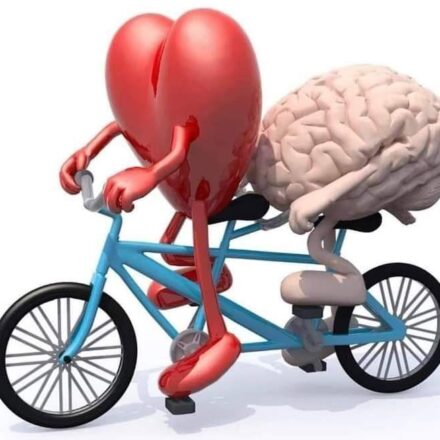
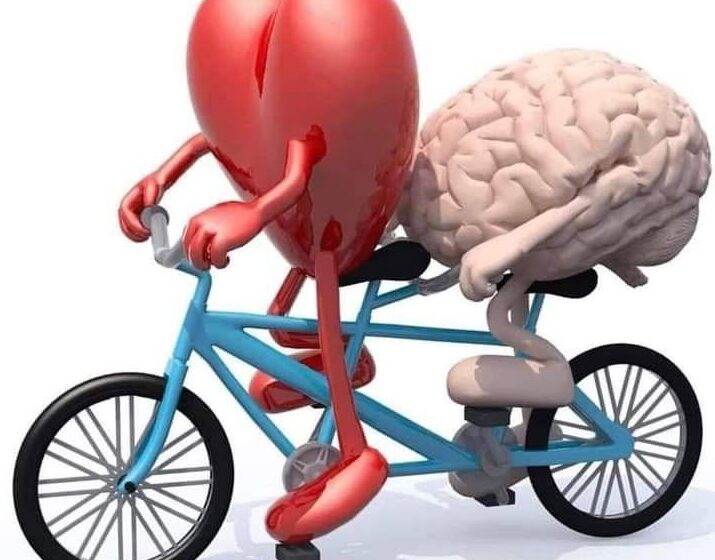
The future isn’t choosing between heart or mind.
It’s remembering what they were meant to do together.
Because the deepest questions of reality don’t ask to be solved.
They ask to be felt.
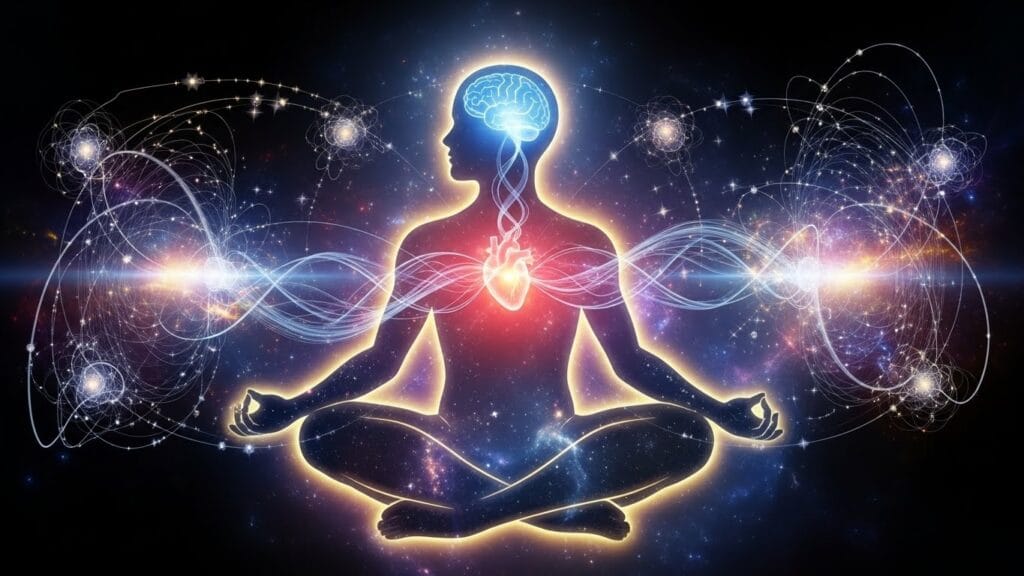
And they have always spoken—
not to the noise of the mind,
but to the quiet intelligence of the heart. ❤️